
Before the work, marketing depended on one video and one campaign. If it worked, orders rose; if it faded, performance returned to zero. During 2025, Bait Store became a system that tests volume, scales evidence and connects ads to stock and delivery.
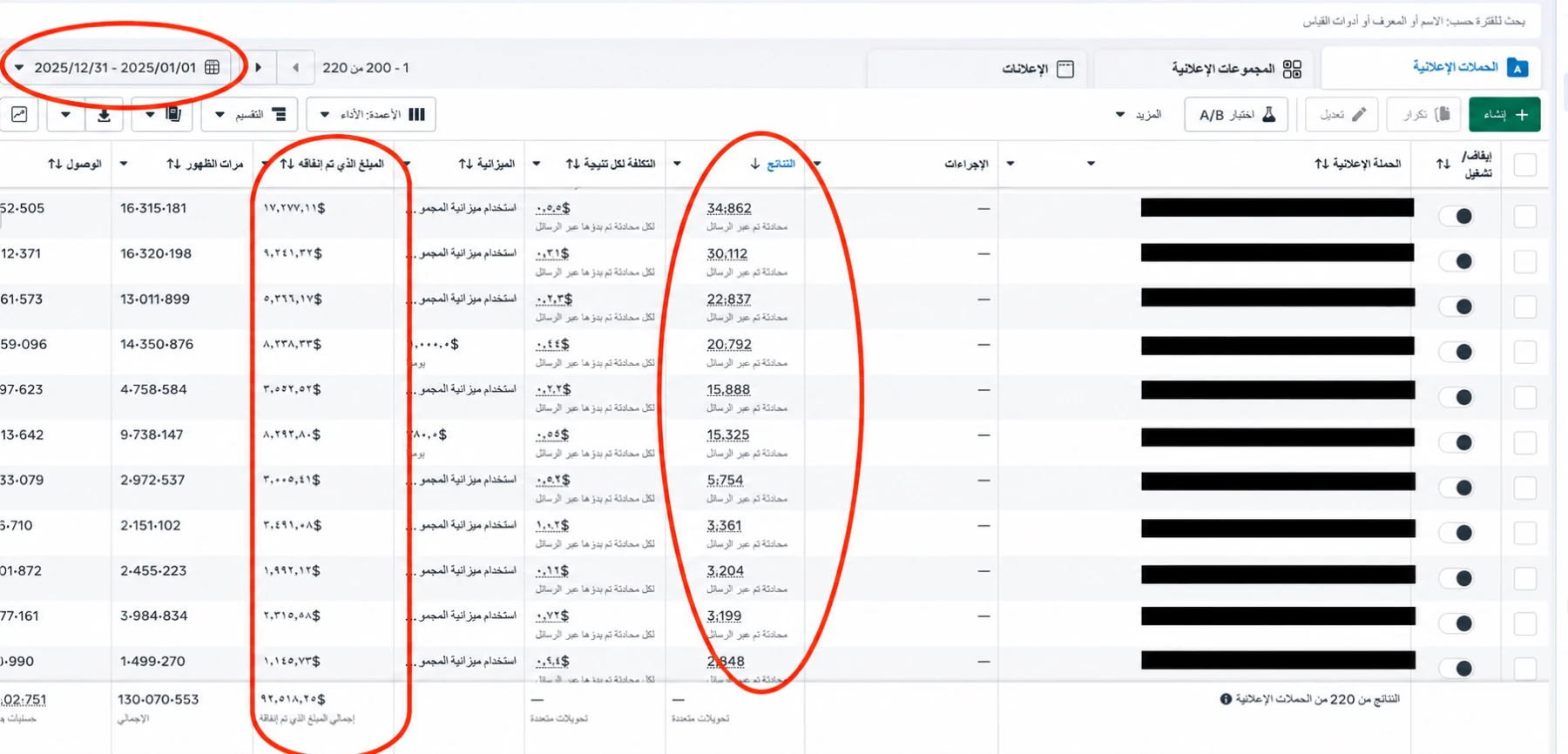
Order, revenue and spend figures come from project data. The six attached video screenshots verify a combined view count above 66 million.
The problem: success that could not repeat
One winning video can create a great week, but it does not build predictability. The missing pieces were a monthly plan, a library of angles and a decision rule separating real signal from luck.
The first objective was not more budget. It was creating more chances to discover a winner.
More than 50 videos created a useful sample
We organised more than 50 videos across different angles, openings and use cases. We did not judge the product from one asset or change every variable inside the same test.
Winners received disciplined scale; losers became learning for the next batch. The top six videos exceeded 66 million combined views in the attached Meta evidence.
Delivery and stock were campaign variables
The product’s size created delivery, damage and stock-out constraints. Ignoring them would have allowed advertising to amplify cancellations and pressure.
Replenishment, handling and order capacity became part of campaign management, turning growth into a repeatable process rather than a short spike.
Read the outcome without inflation
Project data records more than 50,000 orders, revenue above IQD 1 billion and ad spend above $100,000. That is roughly seven times revenue over ad spend—not seven times net profit.
Reducing approximate cost per order from $6 to $2 is about a 67% improvement, but it depended on continuous content and operations, not a permanent account setting.
Conclusion
Bait Store did not need a magic ad. It needed a learning machine: produce, test, scale, monitor stock and delivery, then repeat the cycle every month.