
The most dangerous number is not always false. Sometimes it is a correct number answering the wrong question. ROAS shows attributed revenue over ad spend. It does not automatically show what remained as profit.
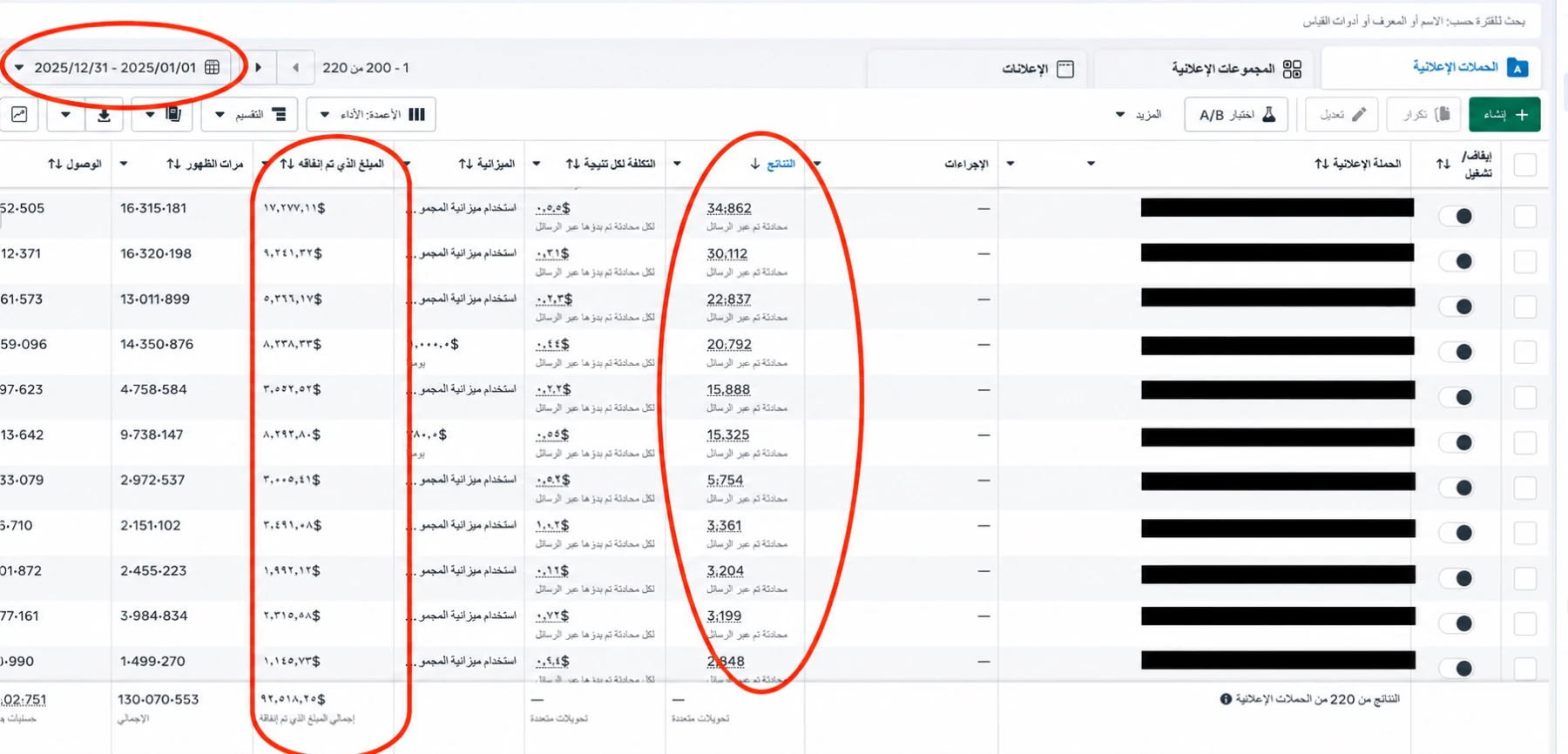
The 13.3× and 7× examples on this site are labelled revenue over ad spend, not net profit.
Terminology changes the decision
If you spend 1,000 and sell 5,000, ROAS is 5. If product, delivery, discount and team cost 4,500, only 500 remains before other overhead.
Calling five times revenue ‘profit’ can push the company to scale before understanding its economics.
Read the chain after the order
In cash-on-delivery markets, a recorded order is not always realised revenue. Confirmation, preparation, delivery, cancellation and return all change outcome and cost.
That is why I connect Ads Manager with CRM, delivery and inventory data whenever possible.
A profitable campaign can still pressure cash
Growth buys inventory before collecting cash and pays for fulfilment, production and content. Margin may be healthy while the cash cycle is slower than the scale rate.
Reducing or organising spend can protect execution capacity without declaring the ad a failure.
The owner’s dashboard is different
The useful dashboard combines spend, revenue, product cost, confirmation, delivery, cancellation, margin and cash. ROAS becomes one input rather than the final verdict.
When teams agree on these definitions, blame declines and work moves to the weakest link.
Conclusion
ROAS is valuable when used with the right name and limits. The problem begins when revenue becomes profit or when the metric is used to ignore operations, margin and cash.