
Some numbers disappear from the ad report while deciding whether the campaign truly worked: stock ending after two days, an order cancelled after a late reply, or an item arriving damaged. These are not back-office details; they shape marketing economics and brand reputation.
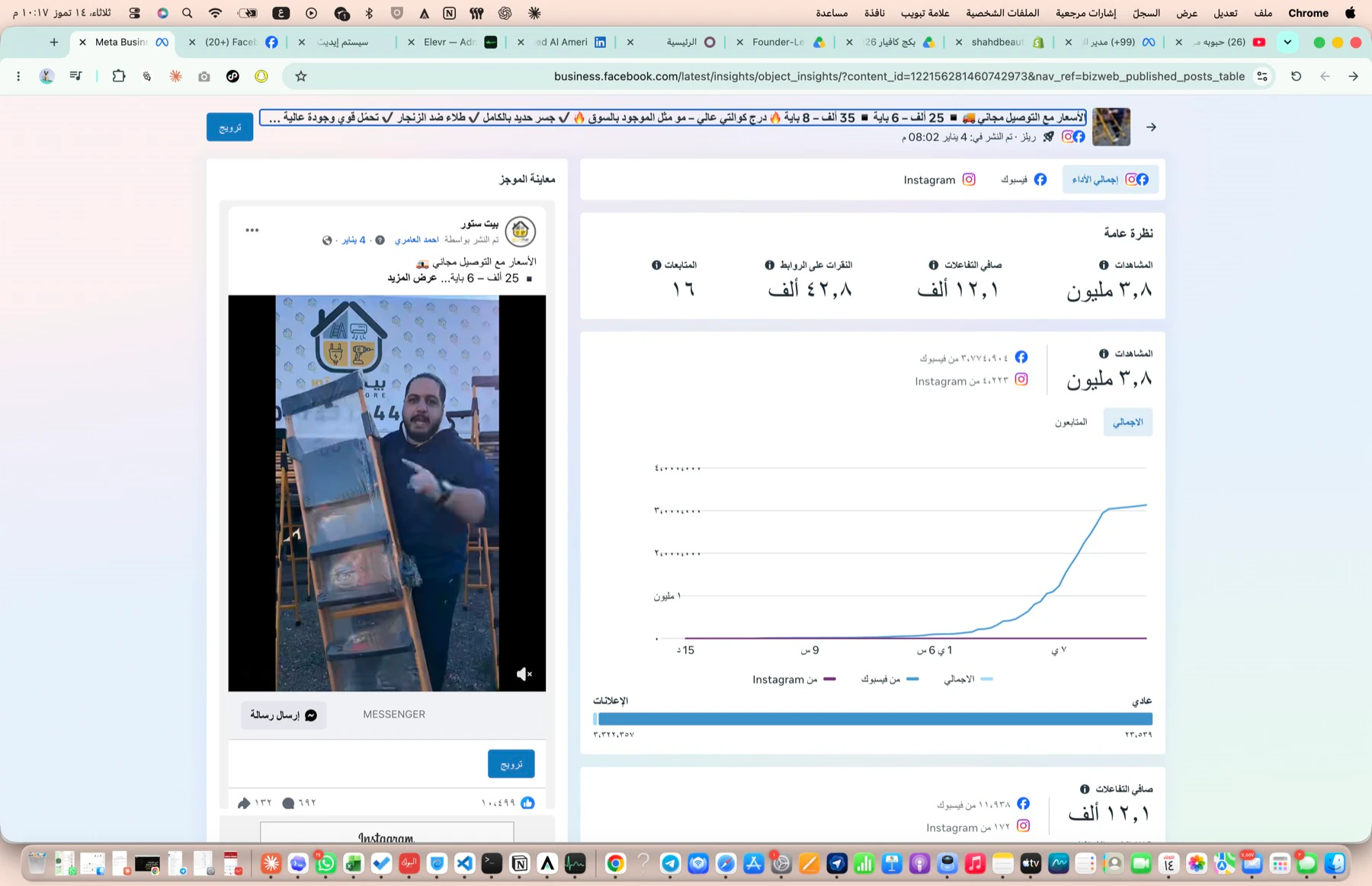
The Bait Store case documents size-related delivery, damage, stock-out and replenishment work across the year.
Advertising sells a promise; operations prove it
Customers do not separate the ad from the courier. Great creative followed by delay or damage is one brand experience.
That is why preparation time, delivery rate and complaints belong in campaign review.
Early stock-out turns a winner into waste
When a strong signal appears, replenishment must precede aggressive scale. Spending against unavailable stock burns trust and data.
At Bait Store, replenishment became campaign planning rather than a reaction after sales stopped.
Product size changes the equation
Ladders and drills do not behave like a small parcel. Size changes carrier, packaging, damage probability and order cost.
Campaign scale must remain inside logistics capacity or visible ROAS will hide post-order losses.
Customer service is a content and decision source
Questions and complaints reveal objections and new content messages. A repeated product issue can become an explainer video or packaging change.
Operations then feeds marketing instead of only absorbing its pressure.
Conclusion
Repeatable growth does not end at the order. Extend the marketing dashboard into preparation, delivery, return and inventory; that is where the promise and profit are decided.